The QBI Deduction for Freelancers: Who Qualifies and How Much It Saves
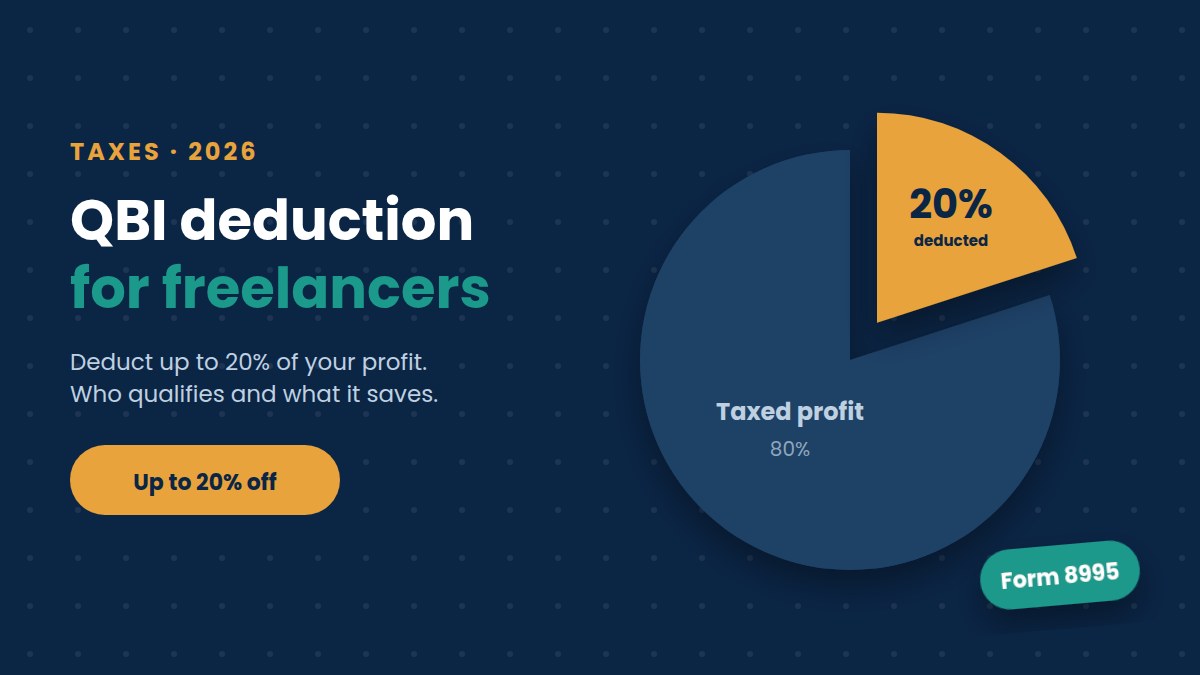
QBI deduction for freelancers: a profit pie chart with a 20% slice pulled out as the deducted part

The QBI deduction for freelancers lets most self-employed people deduct up to 20% of their business profit from their taxable income. You don’t need to itemize, and you don’t need to spend any money to get it. Since a 2025 law made it permanent, it will stay available in 2026 and beyond. The IRS calls … Read more
Do Freelancers Need a Separate Bank Account?

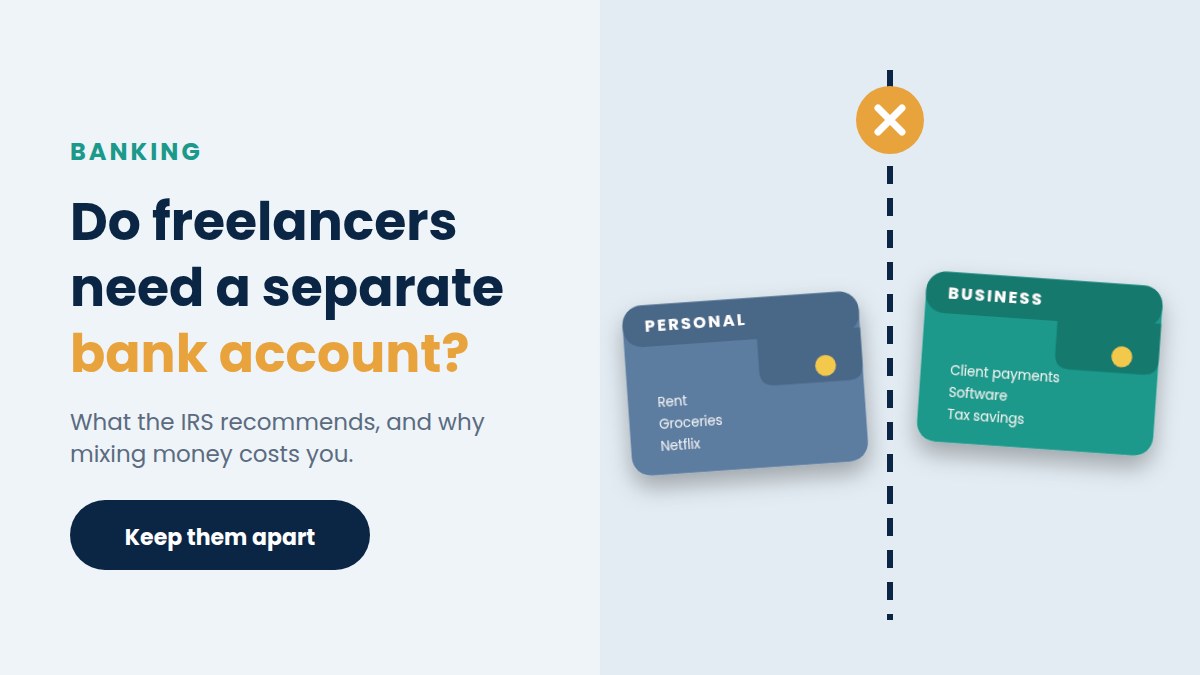
Separate bank account for freelancers: a personal wallet and a business wallet kept apart by a dividing line

A separate bank account for freelancers isn’t always required by law, but you should have one anyway. If you work as a sole proprietor, you can legally run everything through your personal account. However, the IRS recommends a separate account, and it makes taxes, bookkeeping and audits far easier. If you have an LLC, a … Read more

Do You Need an EIN as a Freelancer? How to Get One for Free

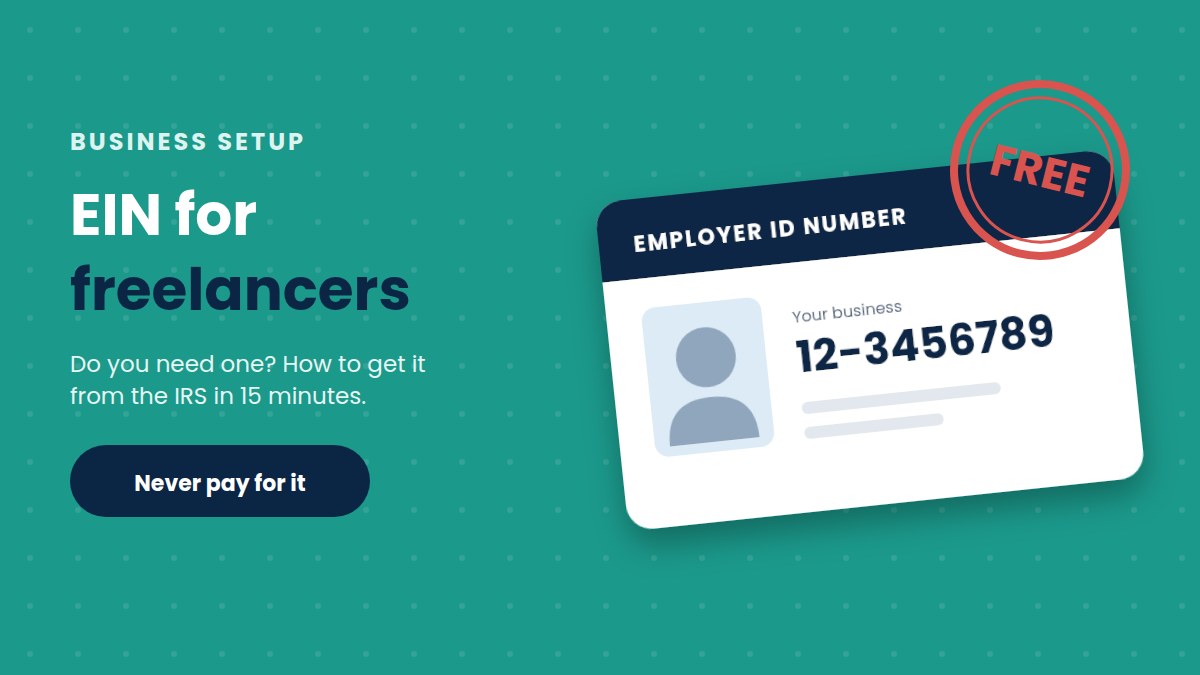
EIN for freelancers: a business ID card with a sample Employer Identification Number and a FREE stamp

An EIN for freelancers is usually optional. If you work alone as a sole proprietor, with no employees, you can use your Social Security number for everything. Even so, most freelancers get one anyway, because it’s free, takes about 15 minutes online and keeps your SSN off client paperwork. You do need an EIN, however, … Read more

When Should a Freelancer Become an S-Corp? The Income Break-Even Point

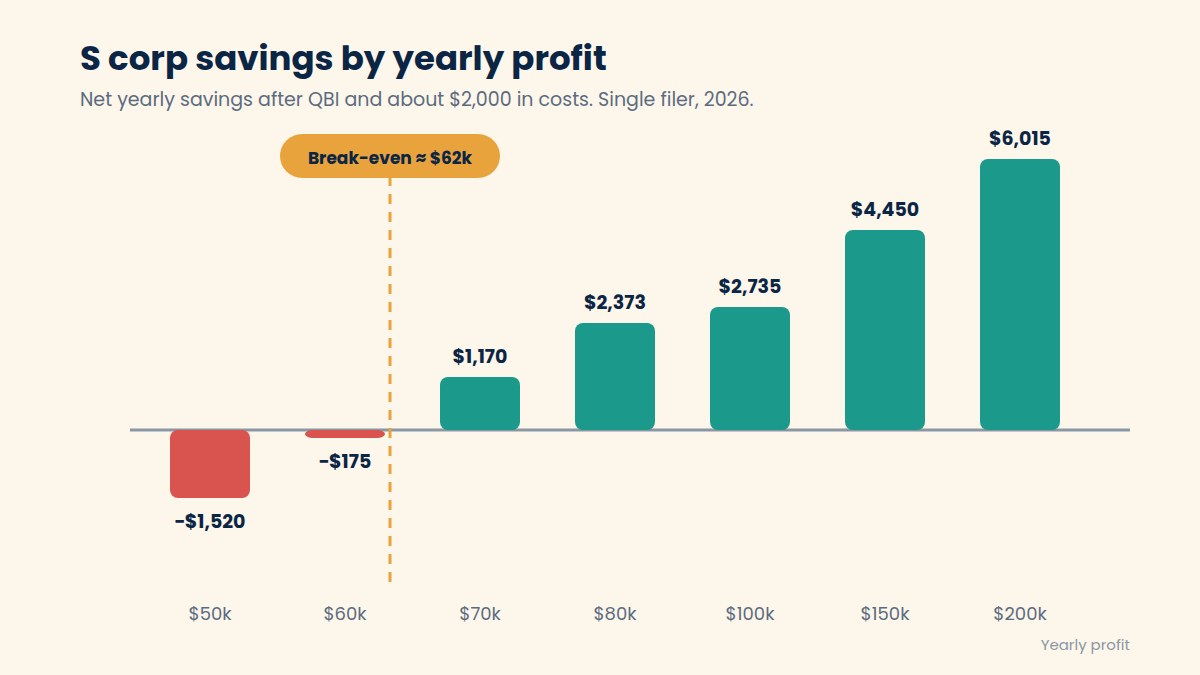
S corp net savings by yearly profit in 2026, from a $1,520 loss at $50,000 to $6,015 saved at $200,000

When to become an S corp depends on one number: your yearly profit. For most single freelancers in 2026, the S corp election starts to pay off at about $60,000 to $65,000 of profit. Below that, the extra costs usually eat the savings. Above it, the savings grow steadily, from about $1,000 a year at … Read more

LLC vs Sole Proprietor for Freelancers: Taxes, Liability and Costs

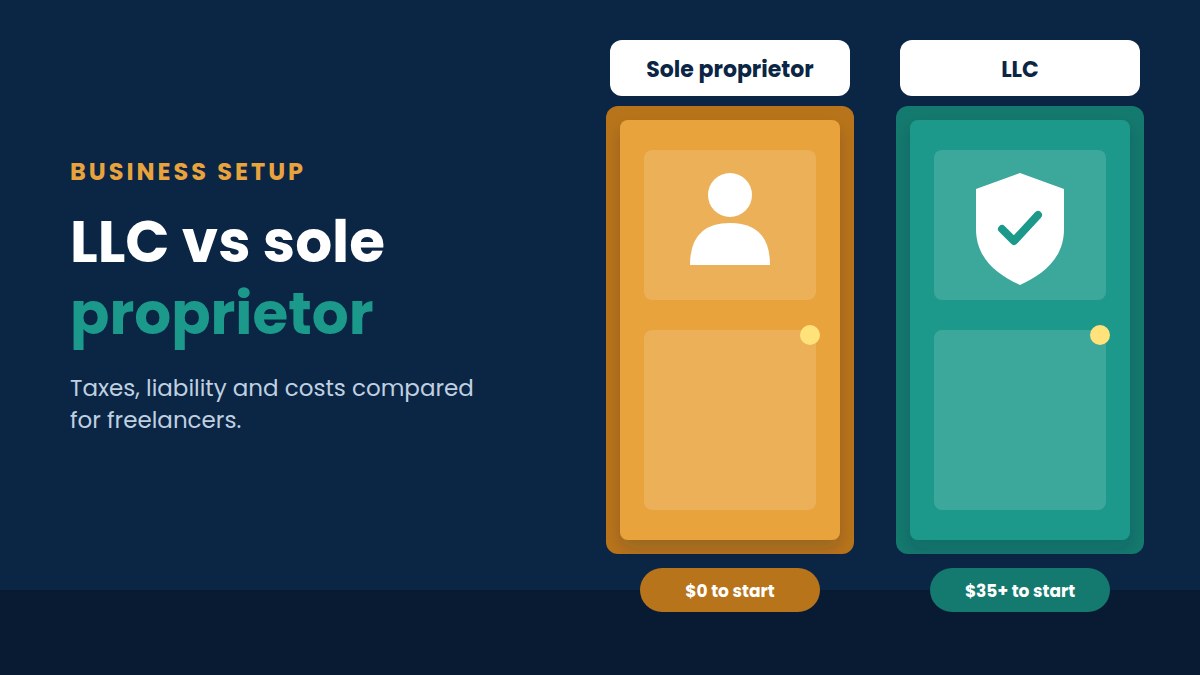
LLC vs sole proprietor: two doors, a sole proprietorship that costs $0 to start and an LLC with liability protection

LLC vs sole proprietor is the first big decision most freelancers face. The honest answer surprises many people: by default, both pay exactly the same taxes. The real differences are liability protection, cost and paperwork. In other words, you are mainly paying for a legal wall between your business and your personal assets. For most … Read more